


Garden Ridge was designed around elbow room. Minimum lot sizes keep homes spread across an acre or more, custom builds dominate over tract housing, and heavy oak and juniper cover gives the whole city its wooded character. Those big custom homes carry big climate loads, and many were built in the 1990s and 2000s, meaning original systems are aging out right about now.
Hunter Service Group serves Garden Ridge homeowners with the patience these properties require. Family-owned since 2015, we take the time to understand each custom home instead of applying cookie-cutter fixes.
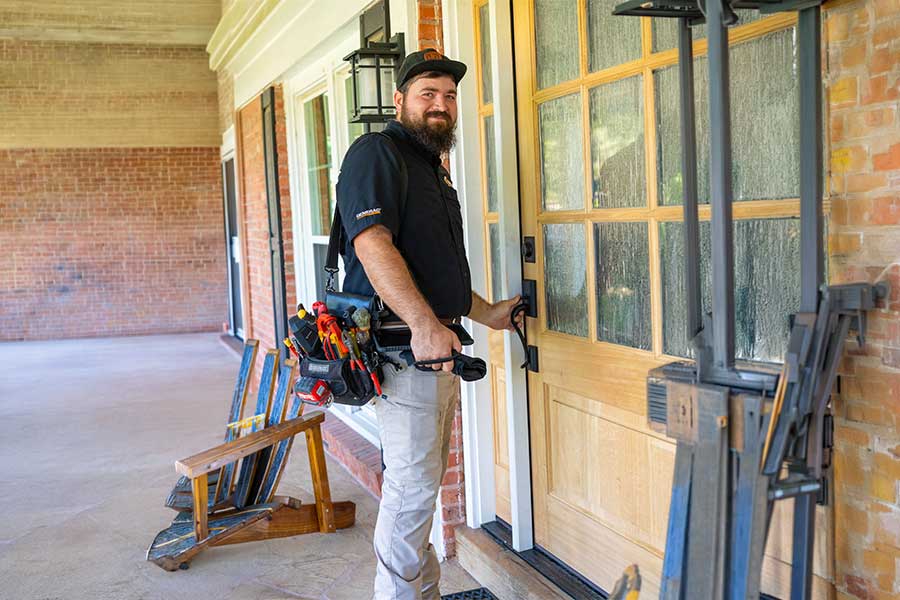
Custom construction means no two Garden Ridge homes are quite alike. Vaulted great rooms, oversized master suites, and sprawling single-story floor plans each create their own airflow puzzles, and systems installed 15 to 25 years ago are reaching the age where components fail in clusters.
These are the signals we hear about most from Garden Ridge.
We diagnose the actual cause, explain it plainly, and never use an aging system as an excuse to pressure you into replacement.
Sprawling floor plans on large lots create long duct runs, and long duct runs lose cooling power with every foot. When we replace equipment in Garden Ridge, we measure static pressure and evaluate the entire distribution system, because a powerful new unit pushing air through undersized or leaking ducts will never deliver its rated performance.
The mature tree cover here is genuinely helpful, shading roofs and outdoor units through brutal afternoons, and we account for that shade in our load calculations. Many homes benefit from two properly zoned systems rather than one oversized unit fighting the whole footprint. We present the options with real numbers, and the decision always stays yours.
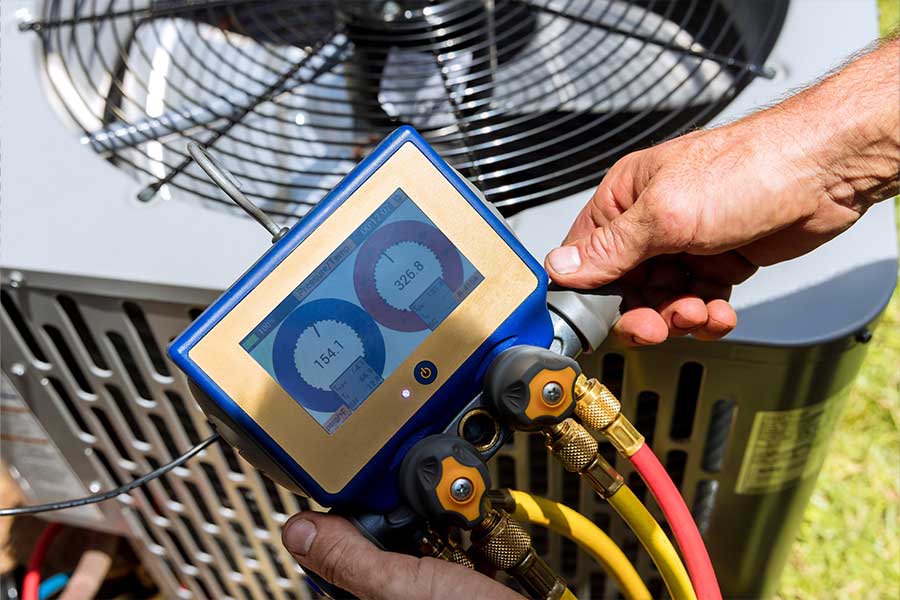
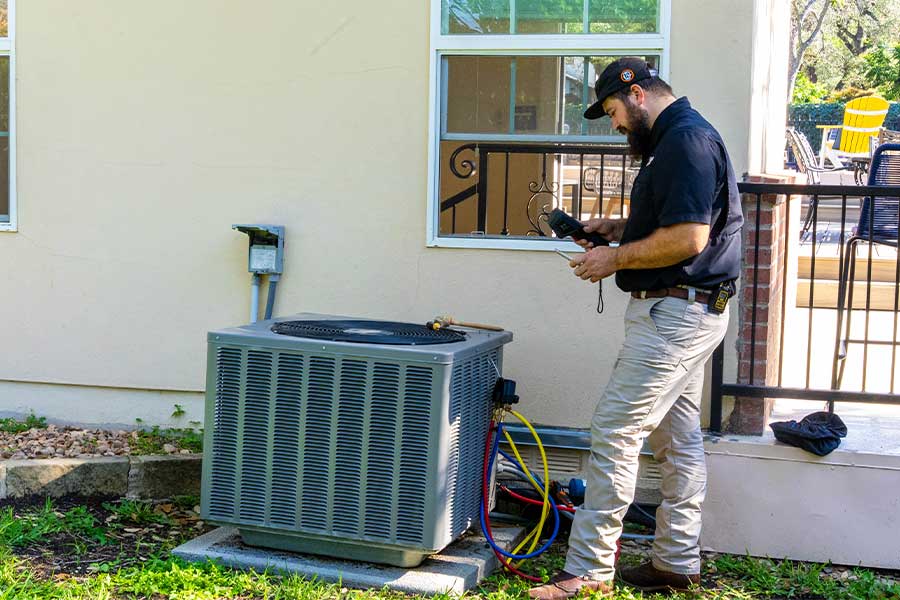
A 3,500 square foot home does not forgive neglected maintenance the way a small house might. Every lost point of efficiency multiplies across more tonnage, more runtime, and more square footage, and the juniper pollen that blankets Garden Ridge each winter clogs coils and filters faster than most homeowners expect.
Our visits include full coil cleaning, filter assessment, refrigerant verification, electrical testing, and condensate drain flushing. For homes with multiple systems, we service them together so both sides of the house age evenly. We also inspect attic-mounted equipment for drain pan condition, because a failed pan above a custom ceiling is a repair nobody wants to discover the hard way.
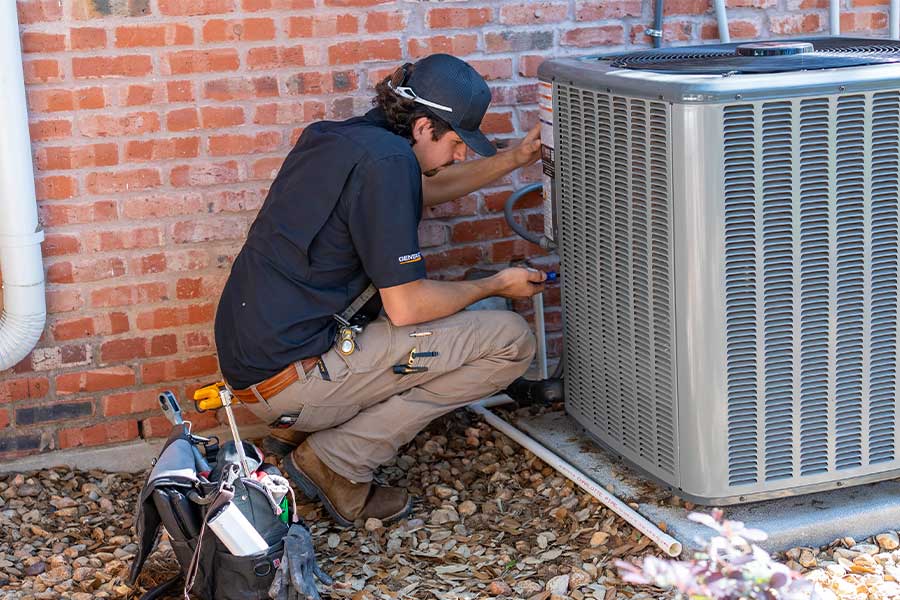
This past summer, a homeowner named Brian in the Forest Waters area called about a master suite that stayed five degrees warmer than his thermostat setting no matter what he tried. Our technician arrived on schedule, put rugs down for his tools, and started tracing the duct run through a long attic stretch.
He found a supply duct crushed nearly flat where stored boxes had been stacked on it years earlier. He rerouted and resealed the run, verified airflow at the register, and the room matched the rest of the house by evening. No parts, no equipment sale, just a real answer. Brian has recommended us to three neighbors since.
In a community built on quality, homeowners expect the same from their service company.
We show up on time, explain our work clearly, and treat your home like the investment it is.

It depends on the floor plan and duct layout. Sprawling homes often perform better with two zoned systems, but a proper evaluation determines what fits your house.
Not necessarily. We assess condition, efficiency, and repair history honestly. Some older systems have life left, and we will tell you if yours does.
Winter juniper pollen coats outdoor coils and clogs filters quickly, reducing airflow and efficiency. A midwinter filter change and coil check keep systems breathing.
They can. Leaks, poor insulation, and undersized runs bleed cooled air into attics before it reaches distant rooms. Duct evaluation is part of every replacement we do.
At least twice a year. Attic equipment hides drain pan problems and leaks that can damage ceilings, so regular inspections protect more than just the system.