


Fair Oaks Ranch grew up around its golf courses and its oaks, and both shape how homes here heat and cool. Much of the community was built in the 1980s and 1990s, which means a large share of houses are on their second or even third HVAC system, often paired with original ductwork that has quietly leaked efficiency for decades. The heavy oak canopy shades many lots beautifully but also drops leaves, pollen, and debris straight into outdoor condensers.
Hunter Service Group knows these homes well. Family-owned and serving the area since 2015, we help Fair Oaks Ranch residents get honest answers about aging systems and reliable comfort year-round.
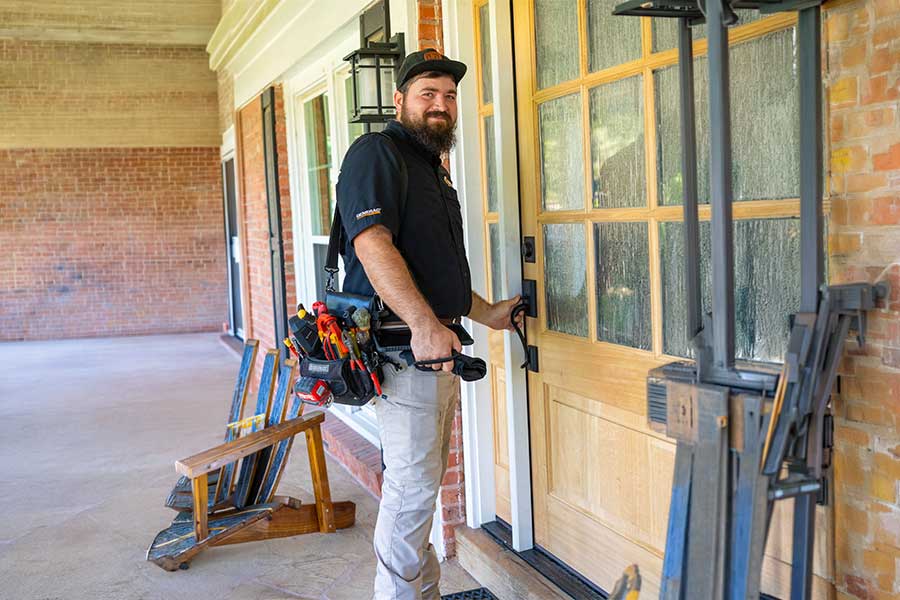
A house built in 1992 has seen a lot of Texas summers, and even a newer replacement system connected to 30-year-old ducts can struggle. Many repair calls in Fair Oaks Ranch trace back to that aging infrastructure rather than the equipment itself.
Give us a call if you notice any of these.
We diagnose the whole system, ducts included, so you fix the real problem instead of paying for the same repair twice.
When it is finally time to replace, homes of this era present specific choices. Older refrigerant-based systems cannot simply have parts swapped with modern equipment, so a full changeout is often the practical path. We help you weigh repair versus replacement honestly, based on age, condition, and what you plan for the home.
Every installation in Fair Oaks Ranch starts with a duct evaluation, because putting efficient new equipment on leaky, undersized ducts throws money away. We also consider the oak shade that keeps many lots cooler than open Hill Country properties, which sometimes allows for right-sizing that saves on both equipment and operating costs. It is a thoughtful process, and we walk you through every step.

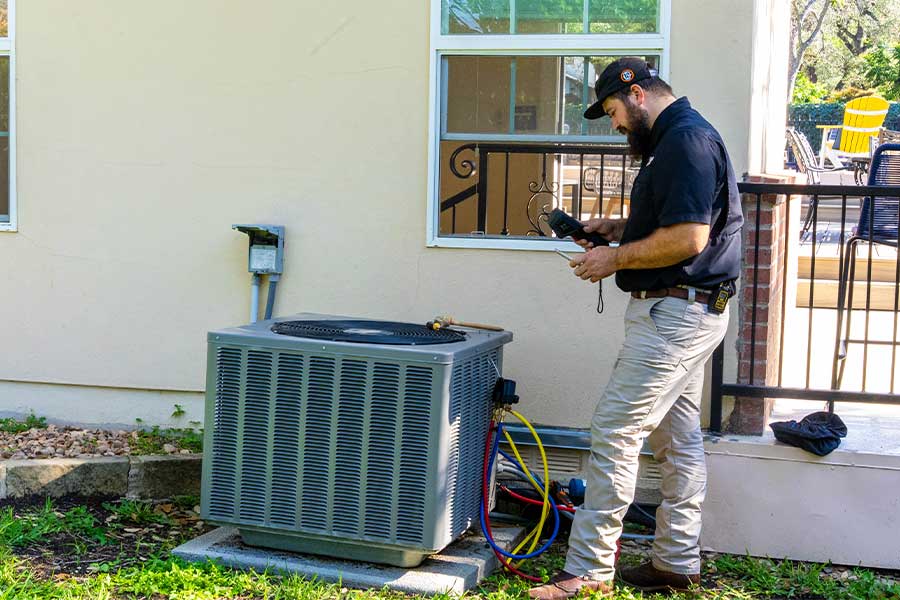
The oaks that give this community its name work against your outdoor unit all year long. Spring brings heavy pollen and catkins that mat across condenser coils. Fall drops leaves that pile against cabinets and block airflow. Left alone, that debris forces systems to run hotter and harder through our long cooling season.
Our maintenance visits clear and wash condenser coils, check refrigerant levels, inspect electrical components, test capacitors that summer heat wears down, and flush drain lines. For the many homes here with systems past the ten-year mark, we track wear patterns visit to visit so you see problems coming and can plan replacements on your schedule, not during a July emergency.

Early last fall, a homeowner named Tom, whose backyard borders one of the fairways, called about an AC that ran constantly but never quite caught up. Our technician arrived on time, laid rugs down for his equipment, and found the condenser coil matted with two seasons of oak debris and a capacitor reading well below spec.
He cleaned the coil, replaced the capacitor, and measured a 15 degree improvement in the air coming from Tom’s vents. Tom admitted he had not thought about the unit since he bought the house. Now we see him every spring and fall, and his 12-year-old system keeps earning another season.
Neighbors here talk, and our reputation is built one honest visit at a time.
We would rather earn your trust for the next twenty years than oversell you today.

We weigh the system’s age, repair history, and efficiency against replacement costs and give you an honest recommendation. Sometimes a repair buys years, sometimes it just delays the inevitable.
Yes. Pollen, catkins, and leaves clog condenser coils and restrict airflow, making your system work harder. Seasonal coil cleaning keeps efficiency up.
Not always, but ducts from the 1980s and 1990s often leak significantly. We evaluate them before every installation so your new equipment performs as designed.
Leaky return ducts pull dust from attics and wall cavities into your air. Sealing the ductwork usually reduces dust noticeably and improves air quality.
Twice a year at minimum. Systems past the ten-year mark benefit most from consistent checkups, which catch wear before it becomes a breakdown.