


Terrell Hills occupies a graceful square mile northeast of downtown, where estate homes from the 1930s through the 1950s sit on generous lots along quiet, oak-lined streets. Unlike neighborhoods that turned over their housing stock, this community preserved its originals, which means most homes carry the beautiful complications of their age. Additions layered over decades, ductwork retrofitted into homes designed for attic fans and cross breezes, and mechanical spaces never meant for modern equipment.
Hunter Service Group understands these homes. Family-owned since 2015, we serve Terrell Hills with the patience and precision that eighty-year-old craftsmanship deserves.
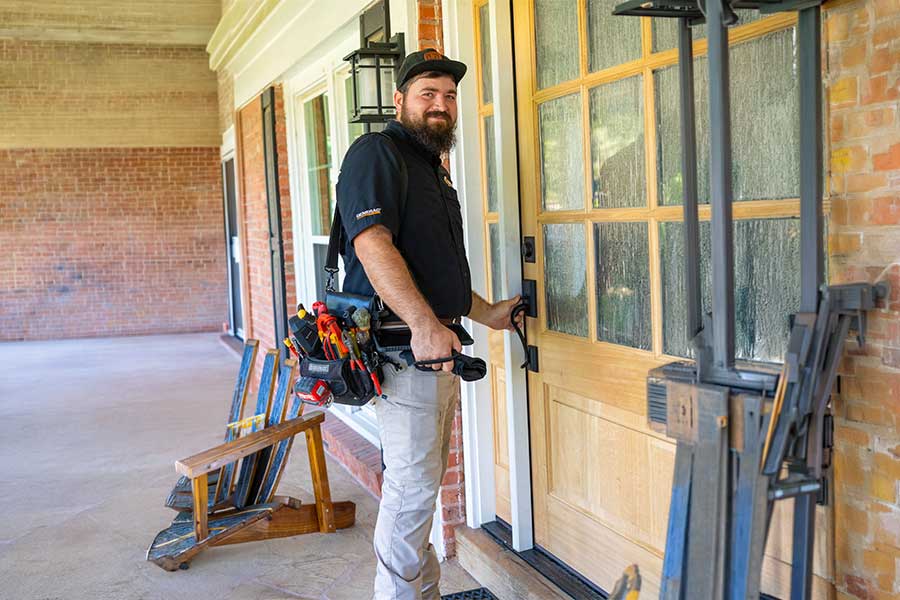
Most Terrell Hills homes were standing decades before central cooling became standard, so nearly every system here is a retrofit, and every retrofit reflects the choices of whichever contractor did it. Some were brilliant. Some were not. Our job starts with understanding which one your home received.
These signs deserve a professional look.
We untangle decades of modifications carefully, fix the real problem, and leave your home exactly as we found it, only cooler.
When replacement time comes for a Terrell Hills home, the equipment choice is only half the decision. The other half is how to move air through a structure built with plaster walls, hardwood throughout, and floor plans that never anticipated ductwork. We design each installation around the house, using existing chases where possible, high-velocity or ductless solutions where conventional ducts would compromise the interior, and zoning that finally evens out homes expanded wing by wing over the decades.
Steady humidity control protects the original hardwood floors and trim that make these homes worth preserving, so we size for moisture removal, not just temperature. Quiet operation matters on these peaceful streets too, and we select and place equipment accordingly. The result is modern comfort that feels like it was always part of the house.

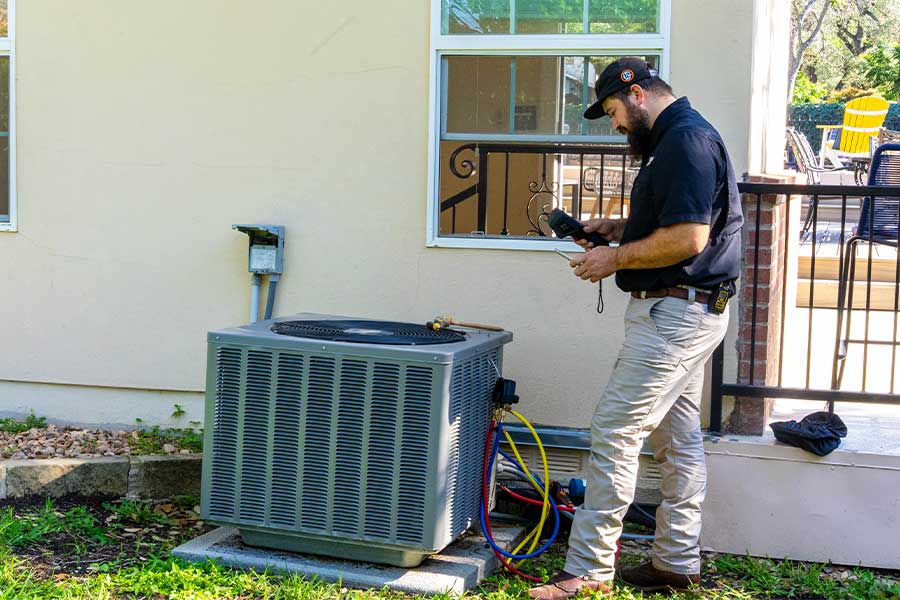
Families in Terrell Hills tend to stay, often across generations, and their homes reward that continuity when the mechanical systems get consistent care. The neighborhood’s towering live oaks shed pollen and debris onto condensers year-round, while San Antonio’s humidity works quietly on drain lines and coils through the long cooling season.
Our maintenance program takes the long view these homes deserve. We clean coils, verify refrigerant charge, test electrical components, flush drains, and check that humidity control keeps protecting the interiors. We document each system’s condition visit after visit, building a mechanical record that serves the home well past any single owner. It is the same care the original builders put in, applied to the systems they never imagined.
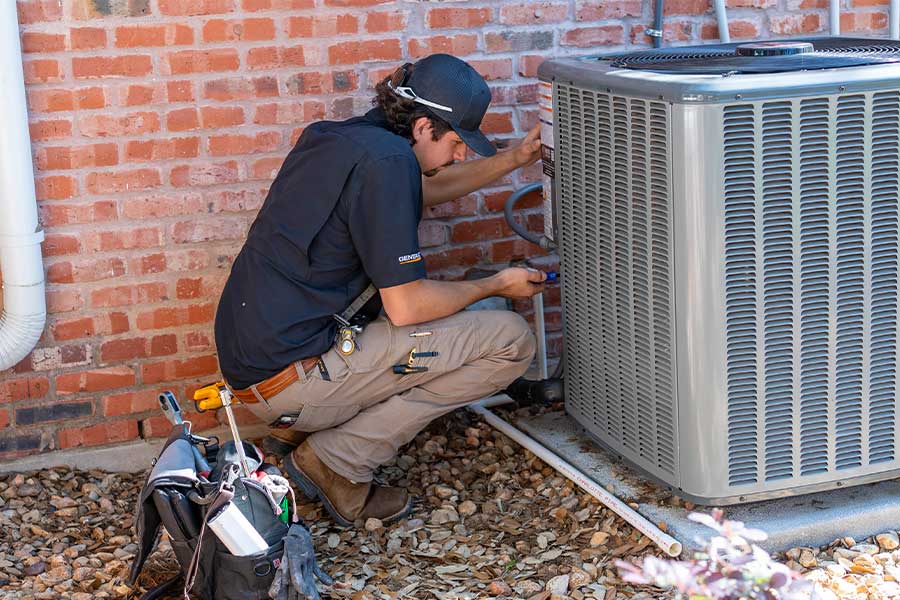
Early last summer, a homeowner named Margaret in the blocks near the country club called about her 1940 two-story. The upstairs bedrooms, added ductwork territory from a 1970s renovation, turned stifling every evening while downstairs stayed pleasant. Our technician arrived on time, spread his rugs across her hardwood entry, and traced the retrofit runs through the attic.
The renovation-era ducts had lost most of their insulation, cooking the cooled air on its trip through a 130 degree attic. He re-insulated the runs, sealed the connections, and balanced airflow to the upstairs registers. That evening the bedrooms held temperature for the first time in years. Margaret said her mother had lived with that problem too. Now nobody has to.
Classic homes deserve service that meets their standard, and ours does.
We bring craftsmanship to homes built by craftsmen, and we treat yours accordingly.

Additions often connect to ductwork as afterthoughts, with long or undersized runs. Balancing, sealing, or dedicated ductless equipment usually evens things out.
Yes. High-velocity, ductless, and carefully routed conventional options all preserve original interiors. We choose the approach that fits your home’s construction.
Attic duct runs that lose insulation heat the air before it arrives, and heat naturally rises. Re-insulating and sealing those runs often solves it.
Over time, yes. Moisture swings cause expansion, cupping, and gapping. A properly sized system holding steady humidity protects original wood.
We document condition and work performed at every visit, building a mechanical record that helps with planning and adds value for future owners.