
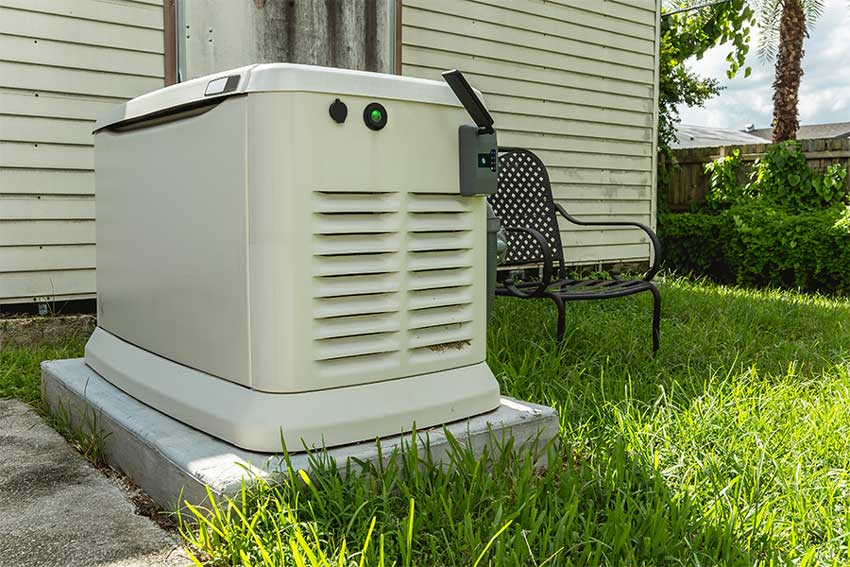
Canyon Lake homeowners know that reliable backup power is not just a convenience. Between the Hill Country storms that roll through the Highland Lakes area and the ice events that occasionally knock out power along FM 306, a standby generator is a critical piece of home infrastructure. But a generator that has not been properly maintained or is showing signs of mechanical trouble may not start when you actually need it.
Knowing when to call for professional help before a problem becomes a failure is what separates a reliable backup power system from one that lets you down. Our electricians serving Canyon Lake see the same patterns again and again in the field. Here are the eight warning signs that indicate your Generac generator needs professional attention.
1. Unusual Noises During Operation
A properly functioning generator produces a steady, consistent engine sound during operation. When that changes, the generator is communicating that something has gone wrong internally.
Grinding sounds typically indicate metal-on-metal contact inside the engine, often from a failing bearing or lubrication issue. Rattling may point to loose hardware or a component that has worked itself free. Excessive buzzing can suggest electrical issues within the unit. None of these sounds resolve on their own, and continued operation without diagnosis tends to worsen the underlying problem.
If your generator has started making sounds that were not there during previous run cycles, a professional inspection should follow before the next time the unit is expected to carry a real load.
2. Frequent Power Surges or Inconsistent Output
A generator’s primary job is to supply stable, consistent power to your home’s electrical system. When the output becomes irregular, the consequences extend beyond inconvenience. Voltage fluctuations and power surges can damage sensitive electronics, appliances, and HVAC equipment connected to the generator circuit.
Inconsistent output in Generac standby units can stem from fuel delivery issues, voltage regulator problems, or load management faults. If lights connected to generator power are flickering, if breakers are tripping under normal loads, or if connected appliances are behaving erratically during generator operation, a technician needs to evaluate the unit’s output quality and identify the source.
3. Error Messages on the Control Panel
Modern Generac generators are equipped with control panels that monitor system performance and display fault codes when something falls outside normal operating parameters. These alerts are there for a reason, and dismissing them is one of the more common ways a repairable issue escalates into a major failure.
Common fault codes and what they typically indicate:
- Low Oil Pressure: Oil level is inadequate or the oil pressure sensor is detecting a circulation problem. Do not run the unit until this is resolved.
- Overload: The connected load exceeds the generator’s rated capacity, or a connected device is drawing abnormal current.
- Battery Failure: The starter battery is weak or has failed. This is one of the most common reasons generators do not start during an actual outage.
- Maintenance Required: The unit has reached a service interval threshold and is due for scheduled maintenance.
When any fault code appears, the appropriate response is to note the code, refer to the unit documentation, and contact a certified technician. Resetting a fault without understanding and correcting its cause does not fix the underlying problem.
4. Fuel Leaks or Unpleasant Odors
Any smell of fuel, burning, or exhaust around your generator should be taken seriously and investigated promptly.
A gasoline or propane odor indicates that fuel is escaping somewhere in the system, whether from a cracked line, a loose fitting, or corrosion at a connection point. Fuel leaks are both a fire hazard and an environmental concern, and they do not resolve on their own.
A burning or acrid smell during operation often points to an overheating component, electrical issue, or belt failure. Exhaust odors that seem more pronounced than normal may indicate incomplete combustion or a ventilation concern.
If any of these odors are present, the generator should be shut down and a professional inspection scheduled before it is returned to service. Do not attempt to trace a fuel leak with an open flame or while the unit is running.
5. Shorter Runtime Than Usual
A generator that runs for noticeably less time than it previously did on the same fuel supply is not performing at its rated capacity. Several conditions can contribute to reduced runtime:
- A clogged fuel line or failing fuel delivery component restricting flow to the engine
- A dirty or saturated air filter reducing combustion efficiency
- A weakening battery that is placing additional load on the charging system
- An overloaded circuit drawing more power than the system is sized to handle
- Accumulated maintenance neglect reducing overall engine efficiency
Shortened runtime is worth investigating before it progresses to complete failure. A generator that runs shorter and shorter cycles on each test is trending toward a breakdown, not away from one.
6. Visible Damage, Rust, or Wear
A physical inspection of the generator during each weekly self-test cycle takes only a few minutes and can catch developing problems before they affect performance. Signs worth noting and reporting to a technician include:
- Cracks or damage to the generator housing or enclosure
- Rust or corrosion on the casing, fuel lines, or electrical connections
- Frayed, loose, or discolored wiring
- Evidence of fluid pooling or staining beneath the unit
- Deteriorating insulation on wire runs or connections
Canyon Lake’s outdoor conditions, including humidity from the lake and temperature swings between seasons, can accelerate corrosion on generators that are not properly maintained or protected. External damage that looks minor can sometimes indicate more significant issues developing inside the unit.
7. The Generator Fails to Start or Completes Startup Abnormally
A Generac standby generator is programmed to run a brief self-test cycle weekly to verify that the system is ready. If the generator fails to start during one of these cycles, starts and immediately shuts down, or produces an error during startup, that is a direct indicator that something requires service.
Battery failure is the single most common cause of generator startup failure. A starter battery that tests borderline acceptable on a bench may not have sufficient reserve capacity to reliably start the engine under real-world conditions. Battery replacement on a schedule, rather than waiting for failure, is standard practice in a proper generator maintenance service program.
Other startup issues can involve the automatic transfer switch, fuel supply, or control board, all of which require certified technician diagnosis.
8. Deferred Maintenance and Missed Service Intervals
A generator that has not been professionally serviced within the past year is operating on borrowed time. Generac standby generators require periodic oil and filter changes, air filter inspection and replacement, spark plug service, battery testing, and a comprehensive evaluation of electrical connections and transfer switch operation. These are not optional intervals.
In the Canyon Lake area, where generators may sit through an entire mild-weather season without being called upon for an actual outage, it is easy to overlook service scheduling. But the engine oil degrades with time even without use, the battery discharges and recharges through weekly test cycles, and components are subject to the outdoor environment throughout the year. A unit that has missed multiple service intervals may appear functional during a brief test cycle and still fail during an extended outage.
If your Generac generator has not been serviced in the past 12 months, scheduling a generator repair and inspection visit is the right first step, before the next storm season arrives.
What to Do When You Notice These Signs
The consistent thread through all eight of these warning signs is the same: do not wait. Generators are not systems where delayed attention saves money. A minor issue caught during a routine service call costs a fraction of the repair bill that follows a full breakdown, and a breakdown during an actual power outage means your backup power system fails at the exact moment it is needed. And in cases where an older unit is beyond economical repair, an honest conversation about a new generator installation is often the more cost-effective path than repeated repairs.
Hunter Service Group is a certified Generac dealer serving Canyon Lake and the broader Highland Lakes area. As a family-owned and operated company, we bring honest assessments and genuine expertise to every generator service call. We work exclusively with Generac equipment, which means our technicians know these systems in depth.
If your generator is showing any of the signs described in this guide, contact our team today to schedule a diagnostic inspection and get your system back to full readiness.