
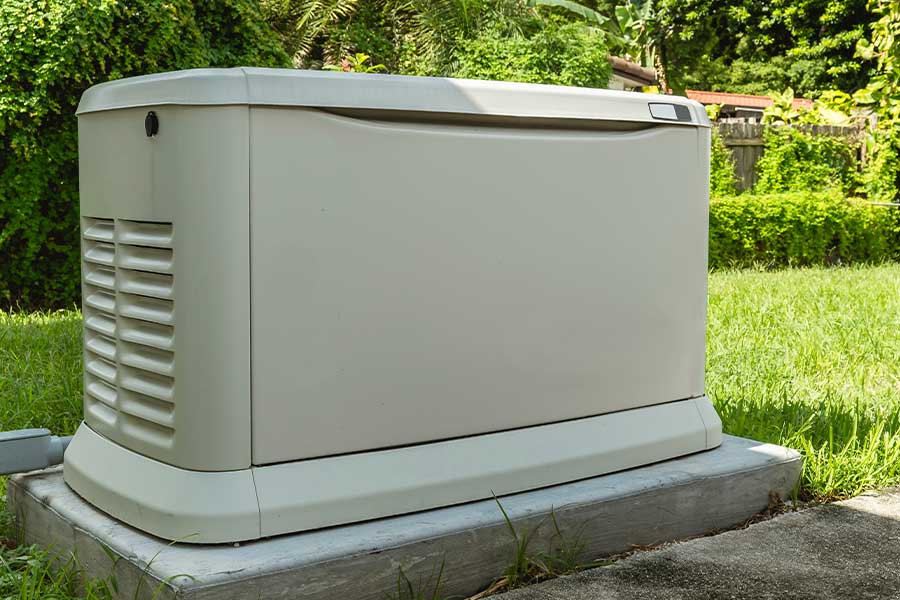
Choosing the right generator size is one of the most consequential decisions in a whole-home generator project. A system that is too small cannot carry your home’s essential load during an extended outage. One that is oversized costs more to purchase, install, and fuel than the situation requires. Getting it right means understanding how electrical load is calculated, what your household actually needs during an outage, and how your power demands may change over time.
At Hunter Service Group, we work exclusively with Generac standby generators, and every installation begins with a thorough load assessment of the home. Here is what goes into that process and what San Antonio homeowners should understand before selecting a generator size.
Understanding Your Home’s Power Needs
The starting point for generator sizing is an honest accounting of what your household needs to run during a power outage. Not every circuit in your home needs to be covered. Most homeowners identify a core set of systems and appliances that represent their non-negotiable priorities, and the generator is sized to support those.
Common essential loads in San Antonio homes include:
- Central air conditioning and heating equipment, which represents the largest single draw in most homes
- Refrigerators and freezers
- Lighting throughout the home
- Well pumps, sump pumps, or water filtration equipment, where applicable
- Medical equipment such as CPAP machines, oxygen concentrators, or home dialysis equipment
- Security systems and communication devices
- Electric ranges, dishwashers, or other kitchen appliances that the household relies on daily
The San Antonio climate makes HVAC capacity particularly important when sizing generators. Running a central air conditioning system through a July or August outage requires meaningful generator capacity, and any sizing exercise that underestimates this will result in a system that cannot keep the home comfortable when it matters most.
Calculating Total Wattage: Running vs. Starting Load
Every electrical device has two relevant wattage figures: its running wattage, which is what it consumes during normal operation, and its starting wattage, which is the higher surge of power it draws when the motor or compressor first starts up. For generator sizing purposes, both numbers matter.
Motor-driven appliances are the primary concern. Air conditioners, refrigerators, well pumps, and sump pumps all draw significantly more power at startup than during steady operation. A central air conditioning system rated at 3,500 running watts, for example, may draw 7,000 to 10,000 watts or more at startup. A generator must be able to handle that peak demand without tripping under load.
A proper load assessment accounts for:
- The running wattage of all essential circuits to be covered
- The starting wattage of each motor-driven appliance in that group
- The realistic scenario in which multiple loads start simultaneously, such as an AC compressor kicking on while the refrigerator is also in a startup cycle
This calculation is the core of generator sizing and the reason a professional assessment produces a more reliable result than a general rule of thumb. The specific combination of appliances, HVAC equipment capacity, and household usage patterns in your home determines the right generator size, not a generalized estimate.
Factoring in Future Power Requirements
Generator sizing is not only a snapshot of your current electrical load. A well-sized system should also account for reasonable changes in that load over the coming years.
In San Antonio homes, common additions that increase electrical demand include:
- Electric vehicle chargers, which add a substantial dedicated circuit load
- Home additions or finished spaces that bring new HVAC zones and lighting circuits
- Major appliance upgrades, particularly to higher-capacity HVAC equipment
- Battery storage or solar installations that change how backup power interacts with the home’s electrical system
- Additional medical equipment as household needs evolve
Generac standby generators have a practical service life of 20 or more years with proper maintenance. A generator sized only for today’s load may become inadequate before that service life ends. Building in reasonable headroom during initial sizing avoids the cost and disruption of an early replacement.
The load assessment conversation with a certified technician is the right time to discuss anticipated changes and ensure the selected system has the capacity to serve your household throughout its expected lifespan.
Standby Generators: The Right Choice for Whole-Home Coverage
Hunter Service Group installs Generac standby generators exclusively. For whole-home backup power in the San Antonio area, a standby system is the appropriate solution, and understanding why helps homeowners evaluate their options clearly.
A Generac standby generator is permanently installed outside the home, connected directly to the electrical panel and a natural gas or propane fuel supply. When utility power is interrupted, the system detects the outage and automatically starts, typically within seconds, with no action required from the homeowner. When utility power is restored, the generator transfers the load back and shuts itself down.
This automatic operation is what distinguishes a standby system from a portable generator. Portable units require manual setup, must be operated outdoors at a safe distance from the home, run on stored fuel that must be managed and replenished, and cannot safely power hardwired appliances such as HVAC systems. For a family that may not be home during an outage or that needs HVAC coverage through Texas summer heat, a portable generator is not a comparable alternative.
Generac offers a range of standby generator capacities, from systems designed to cover essential circuits to larger units capable of powering the entire home load. The right model for your household is determined by the load assessment, not by a one-size approach.
Why Professional Installation Is Non-Negotiable
Generator installation involves licensed electrical work, gas line connections, permit coordination, and transfer switch installation. It is not a project where self-installation or unlicensed work is appropriate, and in Texas, it is not legal.
A professionally installed Generac system by a certified dealer includes:
Electrical panel connection and transfer switch. The transfer switch is the component that manages the handoff between utility and generator power. It must be installed correctly to prevent back-feeding onto the utility line, which poses a serious risk to utility workers and to the home’s electrical system when power is restored.
Fuel line connection. Whether the system runs on natural gas or propane, the fuel line connection must be performed by a licensed professional and tested for integrity before the system is placed into service.
Permit coordination. Generator installation in San Antonio requires permits, and the work must pass inspection. A certified installer handles this process as part of the project scope.
Correct placement and ventilation. The generator must be sited with appropriate clearances from windows, doors, and combustible materials, and in a location that allows proper exhaust ventilation. These requirements are not suggestions.
As the highest-rated Generac dealer, Hunter Service Group’s technicians are factory-certified on the equipment we install. That certification matters for both installation quality and for the validity of manufacturer warranty coverage.
Keeping Your Generator Ready When You Need It
A properly sized and installed Generac generator is only as reliable as its maintenance history. These are mechanical systems with engines that require regular service to perform when called upon.
A generator maintenance service program covers the items that keep a standby system in ready condition: oil and filter changes at manufacturer-recommended intervals, air filter inspection and replacement, battery testing and replacement, spark plug service, and a comprehensive evaluation of electrical connections and transfer switch operation.
Generac units run weekly self-test cycles that exercise the engine and verify readiness. These tests are not a substitute for annual professional service, but they do provide useful ongoing feedback. Any fault codes generated during a self-test should be evaluated by a certified technician rather than simply cleared and ignored.
If your existing Generac generator has not been professionally serviced within the past year, scheduling a generator repair and inspection visit before storm season is the right step. A system that has deferred maintenance may pass its weekly test cycle and still fail under the sustained load of an actual outage.
Selecting the Right Generator for Your San Antonio Home
The right generator size for your household is a specific number arrived at through a careful load assessment, not a general estimate. It accounts for your essential circuits, your peak starting loads, your HVAC capacity, and your reasonable future power needs. It is also influenced by whether you want to cover only essential circuits or maintain full whole-home capability during an extended outage.
Hunter Service Group has served San Antonio homeowners since 2015 as a family-owned, highest-rated Generac dealer. We bring certified expertise, honest guidance, and genuine integrity to every generator project. We will never recommend more capacity than your home actually needs, and we stand behind every installation we complete.
When you are ready to determine the right Generac generator size for your San Antonio home, contact our team today to schedule a load assessment and consultation.